Skip to content

We Catch Cattle Lameness Early

Cameras that spot lameness before you can see it — telling you which cow and which leg, so you can treat her faster and keep her in the milking string.

$2B+
Drained from US dairies — from 80-cow family farms to 4,700-cow mega-dairies — by lameness every year
1 in 4
Cows in your barn right now are limping
3 in 4
Lame cows missed by the naked eye
$150+
Saved per lame cow per year with early detection
Sources: Robcis et al., J Dairy Sci 2023; CDCB Research Update 2024; USDA ERS 2026; Whay et al., Vet Record 2003; UW Extension 2022; savings modeled from published case-cost and early-detection data

Every cow walking through your parlor deserves a closer look not just a head count. HerdSense catches lameness early, before it costs you so you can protect your herd, your margins, and your milk check.

14k
Cows
6
Countries Represented
30+
Farms Consulted
Recognized by
UC Davis Big Bang! Business CompetitionFinalist · 2026
InventopiaResident · 2026
Developed with leading veterinary institutions
UC Davis
School of Veterinary Medicine
University of Nicosia
School of Veterinary Medicine
Integrates with your herd management software
DairyComp 305PCDARTBoviSyncAfiFarmDelPro by DeLavalUNIFORM-Agri

The Problem

The Hidden Cost of Dairy Cow Lameness

$4.50

lost per lame cow, per day
(Sprecher et al. 1997)

A lame cow gives less milk, breeds poorly, and often gets culled early. But treatment is only 10% of the real cost — the biggest losses are in the milk tank, the breeding pen, and the cull truck. On a 1,000-cow dairy, that adds up to over $90,000 a year.

Cows instinctively mask pain. By the time she is visibly limping, she has been losing production for weeks. Most operations catch fewer than one in four lame cows through visual checks alone — meaning 75% of cases missed go undetected until the damage is done.

Even trained locomotion scorers disagree on what they see. Inter-rater agreement sits below <70% agreement between scorers — and with hundreds or thousands of cows, there are not enough hours to walk every pen every day. Lame cows slip through the cracks not because you are not looking, but because the system was never built to catch them.

Up to 1 in 4 cows is lame at any given time. Most are not showing it yet.

See the numbers for your herd

Adjust the sliders to see what lameness may be costing your operation right now — and what early detection could save.

Healthy
Lame

Each dot represents 1% of your herd. The industry average is 25% — meaning 1 in 4 cows is lame at any given time.

Lame cows
Annual cost
Savings
Milk loss

Based on: Robcis et al., J Dairy Sci 2023; Whay et al., Vet Record 2003; UW Extension 2022

Automated Lameness Detection

Cameras That Watch So You Don't Have To

HerdSense mounts right on your existing chutes and alleys. No wearables, no ear sensors — just cameras that quietly score every cow, every time she walks by.

From Walkway to Alert
Click to explore
Drag to rotate
Scroll to zoom

Tap a glowing point to learn more

IR

Catches Inflammation Before Limping Starts

Thermal imaging reads heat in the hoof and lower leg — flagging early inflammation days before a cow starts favoring a leg. That's the window where treatment actually works.

3D

Scores Every Cow's Gait Automatically

Automated locomotion scoring that measures back arch, stride length, and head bob — the same gait markers your hoof trimmer looks for, checked every time she walks through. No manual scoring needed.

Auto

Tells You Which Cow and Which Leg

Combines thermal, depth, and video for lameness scoring on every cow — catching problems at score 2, before they become clinical, and pinpointing the affected limb so you know exactly where to look.

Edge

Your Data Stays on Your Farm

All processing happens on a device in your barn — no video ever leaves the property. Works fully offline, with or without internet. Your herd data is yours.

RFID

Knows Every Cow by Name

Reads each cow's RFID ear tag automatically, so every alert is tied to a specific animal — not just herd averages. You see exactly who needs attention.


Cattle Lameness Monitoring — Simple to Set Up, Easy to Use

No wearables to put on. No sensors to attach. HerdSense bolts onto what you already have and starts working right away.

01

We Visit Your Farm

We walk your chutes, alleys, and parlor exits — the places cows show lameness first. That is where the cameras go. Everything mounts right onto your existing setup — no ripping anything out, no contractor bills.

02

We Install It

Our team mounts the cameras on your existing chute or alley — clamps, cables, and edge device. We're in and out in an afternoon — you milk right through it.

03

Know Which Cows to Check First

Every morning, you get a short list: which cows need the trimmer, which need a vet check, and which ones to keep an eye on. Each one shows which leg and how urgent it is — so you know exactly where to start.

Every day of undetected lameness costs you.

Our 2026 pilot opens with a handful of dairies — catch it before it shows up on your milk check.

Join the Pilot
"Severe lameness at higher scores is obvious to see, but usually too late. The money is in the lower scores."
— Dairy farmer, HerdSense customer discovery

From 28 conversations with dairy operations across 6 countries — 80-cow family dairies to 4,700-cow operations.

"I do think we pick up a lot of them too late. We have automatic gate releases so the cows walk themselves to the dairy — means we don't spot any lame ones."

— Pasture-based dairy, 600 cows

"We have made no gains in identifying health issues using the collar data and alerts, and anecdotally those with other collar types haven't made many gains either."

— Dairy farmer, 600 cows, New Zealand

"Catching small changes early usually saves a lot of trouble later. That daily observation is underrated."

— Dairy operator, r/dairyfarming

"Rumination monitor collars help but eyes on animals is still the best way to determine animal health."

— Dairy operation, 4,700 cows, US

"I looked at activity monitoring but hate the idea of changing collars or tags."

— Dairy farmer, r/dairyfarming
What Changes on Your Farm

Practical Technology
That Works While You Sleep

You have already seen what lameness costs. Here is what your operation looks like when you catch it weeks earlier.

Before your first cup of coffee

Your Phone Buzzes Before Sunrise

An alert came in overnight: Cow 2317, right rear, early-stage lameness, high confidence. By the time you walk the barn, you already know who to pull and which hoof to check.

You treat her Tuesday instead of discovering her Friday. That is three fewer days of milk loss, a simpler trim, and a cow that stays in the milking string — not the hospital pen.

When the trimmer shows up Thursday

Your Hoof Trimmer Gets a List, Not a Guess

You hand them a ranked list: these six cows, these specific legs, sorted by urgency. No more pulling 40 cows through the chute to find the 6 that actually need work.

Trimmer visits get shorter. Fewer cows stressed for nothing. Your trimmer starts trusting the list because it is right — and they tell the dairy down the road.

Before it becomes a wreck

You See the Trend, Not Just the Cow

One pen is throwing more lameness flags than the others. You check the flooring, adjust stocking density, talk to your nutritionist. You catch a facility problem at 3 lame cows, not 15.

This is the difference between reacting and managing — between a small problem and a five-figure problem. That is how the system is built to pay for itself — by catching what you could not see yet, over and over.

Simple monthly pricing, billed per cow. Hardware is a one-time cost — no hidden fees, no long-term contracts. The system is designed to pay for itself inside six months through milk you keep, trims you prevent, and cows that stay productive longer.

People Who Understand
the Numbers and the Animals

We combine veterinary training, data science, and hands-on farm experience with a single focus: catching lameness earlier. Our advisors have spent their careers in livestock health and dairy research.

Rebecca Panayi

Rebecca Panayi

Head of Clinical Research

Conducting her thesis research on HerdSense's lameness detection system — bridging clinical veterinary science with what actually works on the farm. Veterinary medicine student at the University of Nicosia with clinical placements across dairy cattle and goat operations in Cyprus, Germany, and the UK.

Jeremy Ampofo

Jeremy Ampofo

CEO

Trained in actuarial science, now applying risk quantification to livestock health. Background in risk analysis at Allianz and data science at SF Fire Credit Union — pivoted from financial modeling to building a system that pays for itself by catching lameness early. Kent and UC Davis.

Kyle Ayisi

Kyle Ayisi

CTO

Built the computer vision pipeline from the ground up, drawing on neuroscience training to read how cattle move — turning raw camera footage into actionable lameness scores. Computational systems research at Princeton, analytics from UC Davis.

Jovoney Morton

Jovoney Morton

COO

Led product adoption at HubSpot for four years, now applying the same playbook to get HerdSense onto farms that need it. Marketing degree from Howard, analytics from UC Davis. Leads go-to-market and customer success.

Advisors

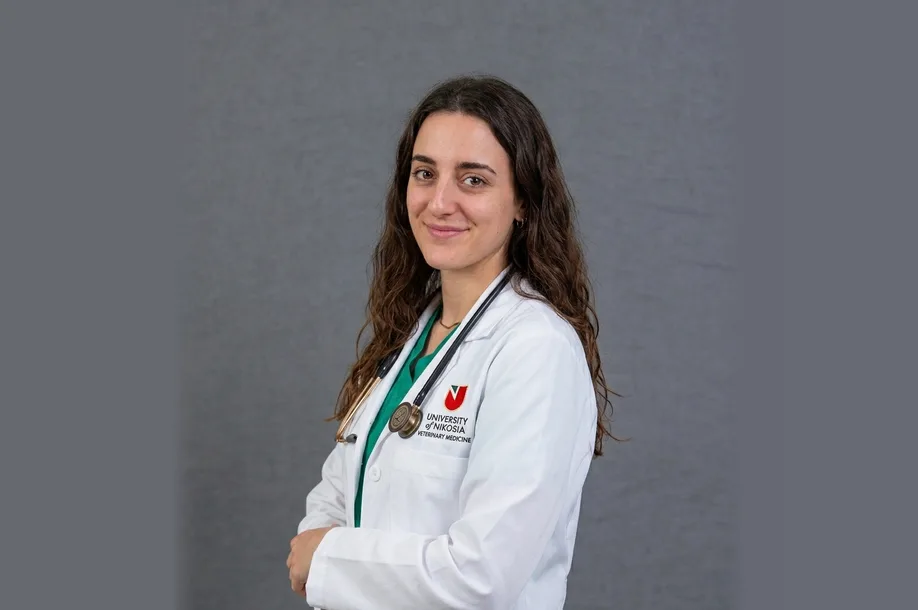
Dr. Catalina Cabrera

Dr. Catalina Cabrera

Veterinary Advisor

Assistant Professor of Animal Reproduction at the University of Nicosia. Former clinician at UC Davis Veterinary Medical Teaching Hospital and the University of Florida. Advises on clinical validation and veterinary standards.

Dr. Prasad Naik

Dr. Prasad Naik

Analytical Advisor

Robert W. Glock Endowed Chair and Professor of Marketing at UC Davis. 29+ years of research, published in Marketing Science, Management Science, and 50+ other journals. Co-founded the UC Davis MSBA program.

Questions Dairy Farmers Ask Us

Join the Pilot

We are selecting dairies for our first on-farm pilots starting late 2026. You get the hardware installed free and help us make sure it works for your operation.

5 spots availableHardware installed freeNo commitment required

Who you are

Your operation

3 of 5 pilot spots still open

Your information stays private. We never share it with third parties.